

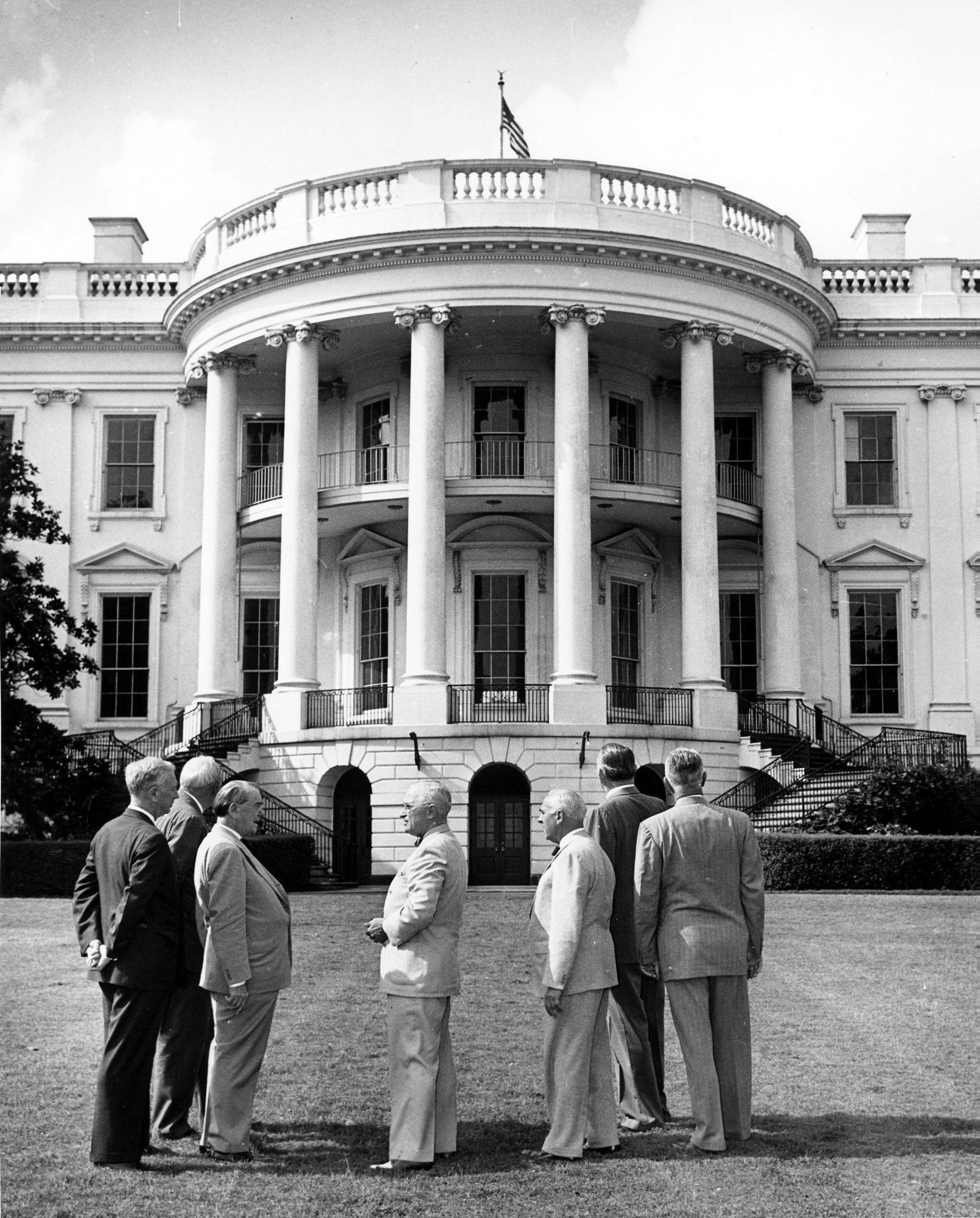
In 1792, construction of the White House began along the Potomac River, nine years after the United States had officially gained its independence. Since this point, parts of the building have been burned, expanded, and demolished. Changes to the building in the past have been seen by some as self-indulgent or unnecessary, while others have pointed out its need to be modernized.
The White House, in addition to its purpose as the center for the Executive Branch, represents the leadership of the country. Jack Labar, a staff writer for The Paw, stresses its importance as a symbol. He views it as “a historical and traditional image, but one that is symbolic and representative of the government of our country.” Additionally, Mr. Johnson, a history teacher at WMC adds that the White House and other American symbols “create a sense of unity and shared values and purpose.”
The name “White House” was occasionally used at first, but it was officially referred to as the Executive Mansion. This name was used up until 1901, when according to the White House Historical Association, secretary George B. Cortelyou requested that the name be changed to what it is today. Once completed, President John Adams was the first president to live within it.
During the British capture of Washington, the White House was set ablaze by British soldiers leaving the interior of the building badly burned. Reconstruction took about three years, with the interior walls being entirely rebuilt with timber. This change however, led to major interior deterioration over the next century.
Through the beginning of the Truman presidency, the White House was in a state of disrepair worse than ever before. According to the Truman Library Institute, the stability of the building was called into question when the leg of a piano owned by Margaret Truman fell through the flooring.
The restoration project had cost about 5.7 million dollars in 1952 and added an additional balcony, a major point of contention. Critics of the already
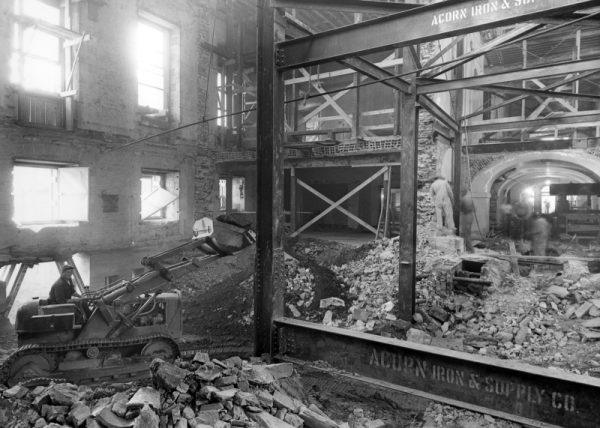
unpopular Harry S. Truman said that it was a frivolous addition that clashed with the original style of the building.
Further renovations would continue the trend of adding personal touches to the building, as opposed to reinforcing structural integrity. These included additions such as the Kennedy’s Rose Garden and the White House Press Room, which was converted from the indoor pool.
Additionally, many personal changes to the White House have been subject to controversy. The Obama Administration replaced the tennis court with a basketball court, as well as the planting of the White House Kitchen Garden on the South Lawn. The most recent additions have been some of the most significant of the past century, as the Trump Administration begins construction of the East Wing Ballroom. The ballroom adds over 90,000 square feet to the building, and the demolition of the East Wing brought much conversation about the history of the White House, and the importance of preserving it. Mr. Johnson notes that “The recent demolition and renovation are on a much larger scale than past renovations and will not be as easily undone.”
Jack Labar acknowledges the importance of a president leaving their mark on the White House, stating “I do think there’s a limit to that. There’s an extent to which that can occur. And I think that currently, we’re kind of seeing that extent be tested.”
Modern renovations show that despite its status as a symbol of the United States government, the White House is variable, and is a much different building from the one built in 1792.


