


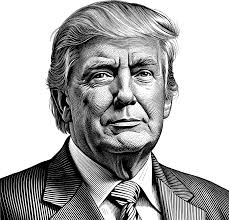

Around September 2nd, rumors began to circulate of shocking news, all claiming President Trump was dead. People posted clips of the presidential motorcade surrounding an ambulance, tracking how many pizzas the Pentagon was ordering to see how important the situation was, and the lack of Tweets from the president, to conclude that President Trump had died. Before this, there was speculation that his ankles were swollen, his hands had bruises, and he was diagnosed with Venous Insufficiency, instilling a sense of weariness about his health into the general public.
WMC history teacher Mr.Phillip Nicolosi stated regarding Trump’s silence, “Historically, there are so many examples—Woodrow Wilson after his stroke, FDR’s health issues, even questions raised about Reagan and George W. Bush. People often didn’t know until later. But today, with so much media coverage, silence immediately raises concerns.” Mr.Nicolosi found it important to state that there was a right for the people to know if something was inhibiting our president.
Ms. Gaelan Johnson, an English teacher and IBDP coordinator at WMC, thinks that the silence represents how this administration approaches its issues. “I think the admin. . . (or something like that). “I think the administration feels emboldened to handle things however they want, and this is an example of that…I think I’ve experienced this before—when President Trump had COVID, the internet went wild. I remember seeing videos pointing out that it was the longest he’d ever gone without golfing, which is a strange metric, but it actually made sense in measuring his health against his past behavior – It’s a weird time.”
Sophomore, Eleanor Carlson, stated similar ideas on how the Trump Administration should have been clearer; “They should have reached out and been transparent—at least made a statement.” Carlson stated. She illustrates the general sentiment of distrust that has been commonplace amongst the younger public.

