




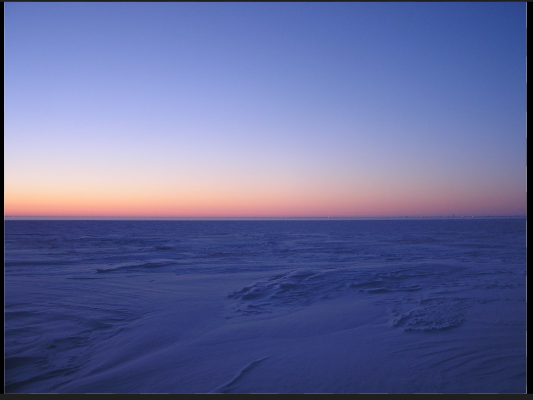
On November 18, 2025, the sun sets in Alaska, but not in the way it does elsewhere. The sun sets and will not return until January 22. Leaving Utqiagvik, a small town in complete darkness for over 60 days.
This is the unfortunate reality for residents and wildlife in Utqiagvik, Alaska. On November 18, the sun set and cast a dark shadow over the town for 65 days. This phenomenon is caused by Alaska’s location on the globe. Otherwise known as “the polar night,” this event causes damage both to the environment and to those living there.
Environmental teacher Christopher Kling gives a breakdown of the changes. “The Arctic acts like Earth’s refrigerator…weather patterns across North America can shift, sometimes influencing winter storms and jet stream behavior,” Kling stated.
Typically, the vanishing sun has effects on locals and wildlife. It can also affect even those across the country. This subtle change is nothing new for Alaska; however, the longevity of this event is what makes it dangerous each year.
The current cold snap goes beyond physical changes and environmental differences. It leaves a mental strain and highly affects the well-being of those living in Utqiagvik. Once the sun returns, that is when another shift is seen, this one being positive. “I imagine that when the first sliver of sunlight finally breaks over the Alaska horizon in late January, everyone’s spirit rises,” Kling claimed. Having the stress and anxiety lifted by something as simple as sunlight is vital to those who live in Alaska.
Now, as far as this event has an effect on animals is crucial. Many animals from that territory towards the north pole face few choices for survival. This would be best explained by Thomas Lawrence, a WMC science teacher. Animals would leave during these harsh weather conditions and then see a return once the sun rises. “Like the snow geese, they come down from the tundra. Its either migrate, hibernate, or adjust.” Lawrence said. Staying in an environment that best fits the lifestyle of that animal is important. Most people would assume that animals are used to the arctic climate. This can be said about species such as the arctic ground squirrel. However, this method of hibernation is not applicable to most species.
The last problem with this annual sunset is what to consider for those who are interested in visiting or living in Alaska. There may be a possibility of tourists visiting without being aware of the yearly phenomenon.“If I knowingly moved to this location, I would know what to do and configure a plan” Lawrence stated. This shows the opposite perspective in those who might come more prepared than others.
Either way, it is important to assess both the environmental impact and the personal stress the polar night can bring.

